


West Ham at Crossroads: Relegated, Brady and Sullivan Gone
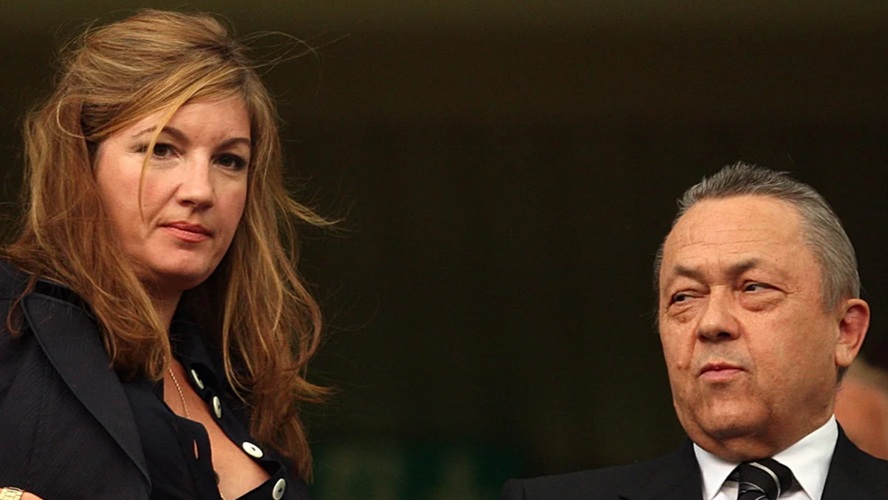
West Ham United are approaching a defining summer, one that could shape the trajectory of the club for years to come. Following their relegation from the Premier League, the London side faces not only the challenge of rebuilding on the pitch but also significant instability behind the scenes. A wave of departures at senior level has left a leadership vacuum, raising serious questions about who will guide the club through this critical period.
Over the past few months, the hierarchy at West Ham has been dramatically reshaped. The club currently operates without a permanent chief executive or director of football, while the recent exits of key boardroom figures have deepened the sense of uncertainty. Baroness Karren Brady stepped down from her role as vice-chairwoman in April, and shortly afterwards, co-chairman David Sullivan announced his resignation. Sullivan, who had been a central figure in running the club since acquiring a controlling stake in 2010 alongside the late David Gold, cited impending allegations—which he strongly denies—as the reason for his departure.
Despite stepping aside from his executive position, Sullivan remains the club’s largest shareholder, holding just under 40 percent of West Ham. For more than a decade, he played a decisive role in shaping the club’s direction, particularly when it came to recruitment strategies and managerial appointments. His influence was often a focal point of criticism from supporters, especially as performance levels dipped in recent seasons.
Fan dissatisfaction has been growing for some time, and the team’s relegation only intensified frustrations. Supporters have staged protests, organized marches, and even called for a formal vote of no confidence in the leadership. Much of the anger has been directed at what they see as inadequate planning, particularly in areas such as scouting, recruitment, and infrastructure. On matchdays, tensions reached such levels that security concerns became a factor—for example, Sullivan was advised to leave the stadium early following the confirmation of relegation to avoid potential confrontations.
This unrest is not without precedent. In recent years, there have been incidents involving supporters making their grievances known in dramatic fashion, including pitch invasions and direct confrontations near the executive areas of the stadium. These episodes underline the depth of feeling among fans, many of whom believe the club has underperformed relative to its potential.
While some supporters may welcome the recent departures at board level, the reality is that the club now faces an urgent need for leadership and direction. A board meeting is expected to address the current situation, but as it stands, it remains unclear who will take responsibility for making the key decisions that lie ahead. The absence of a clear hierarchy could not come at a worse time, given the scale of the challenges West Ham must tackle.
Adding to the uncertainty is the ongoing turnover in the club’s executive ranks. Alongside Brady’s exit, other senior figures have also moved on or are set to do so. Nathan Thompson has left his role as executive director, and financial director Andy Mollett is preparing to retire. None of these positions have yet been permanently filled, leaving gaps in the structure that need to be addressed as a matter of urgency.
In the meantime, Karim Virani has been serving as interim chief executive, overseeing day-to-day operations. Sullivan’s sons, Jack and David Jr., continue to be listed as directors, with Jack becoming increasingly involved in negotiations with agents. However, their long-term roles remain uncertain, particularly in light of the broader changes at the club.
Financial considerations are another pressing concern. West Ham may be forced to sell players in the short term to ensure compliance with financial regulations. Under Premier League rules, clubs are restricted in the level of losses they can incur over a defined period. While the club has some leeway based on recent financial results, there is little doubt that significant adjustments will be necessary, especially following relegation.
The shift to the Championship introduces a different regulatory framework, one that focuses more directly on the relationship between revenue and spending on the playing squad. This will require careful planning, as West Ham attempt to balance competitiveness with financial sustainability.
As part of this restructuring, a number of key players could depart. Individuals such as Mateus Fernandes and Jarrod Bowen are likely to attract strong interest and command substantial transfer fees. Several other members of the squad may also be moved on, either to reduce wage commitments or to reshape the team for the demands of the second tier. The turnover could be significant, with potentially close to an entire starting lineup being reconsidered.
Given the scale of this overhaul, the appointment of a director of football is seen as a priority. This role will be central to coordinating recruitment, scouting, and overall squad strategy. The head coach, Nuno Espírito Santo, has reportedly been involved in the recruitment process for this position, highlighting its importance to the club’s future plans. Strengthening the scouting and analytics departments will also be crucial, particularly after the departure of key personnel in those areas.
Beyond the immediate operational challenges lies a broader question about ownership. Czech billionaire Daniel Křetínský currently holds a substantial minority stake and could increase his involvement in the coming months. There had been plans for him and Sullivan to consolidate their positions as joint leading shareholders, but Sullivan’s resignation may alter the dynamics significantly. Křetínský could seek greater influence or even a controlling share, depending on how negotiations unfold.
West Ham, therefore, find themselves at a crossroads. The club must rebuild its squad, stabilize its leadership, and restore a sense of direction—all while preparing for the challenges of life in the Championship. Achieving promotion at the first attempt will be the primary objective, but doing so will require decisive action and clear planning.
In many ways, this summer represents more than just a period of transition. It is an opportunity for West Ham to reset, to address long-standing issues, and to lay the groundwork for a more sustainable and successful future. Whether the club can seize that opportunity will depend largely on the decisions made in the weeks ahead—and on who ultimately takes charge of making them.