


World Cup coach issues warning as his team capitalises on new substitution rule in warm-up win
Japan have offered an early glimpse into the potential impact of football’s new rules after exploiting a recent change to secure a 1-0 friendly victory over Iceland.
However, coach Hajime Moriyasu has cautioned his players that they could just as easily fall victim to the same regulations if they are not careful.
The International Football Association Board (IFAB) has introduced a series of adjustments, set to be implemented from the 2026-27 season and at the upcoming World Cup.
Among these is a strict 10-second limit for players to leave the field during substitutions. Should a player fail to depart within this timeframe, their replacement can only enter at the first stoppage after a minute has elapsed following the restart, and only once signalled by the referee.
This particular rule proved decisive in Japan’s favour on Sunday. Iceland’s Isak Thorvaldsson was unable to come on for Kristian Hlynsson due to the regulation, leaving Moriyasu’s side with a temporary numerical advantage. Japan capitalised, with Koki Ogawa heading in the winning goal in the 87th minute.
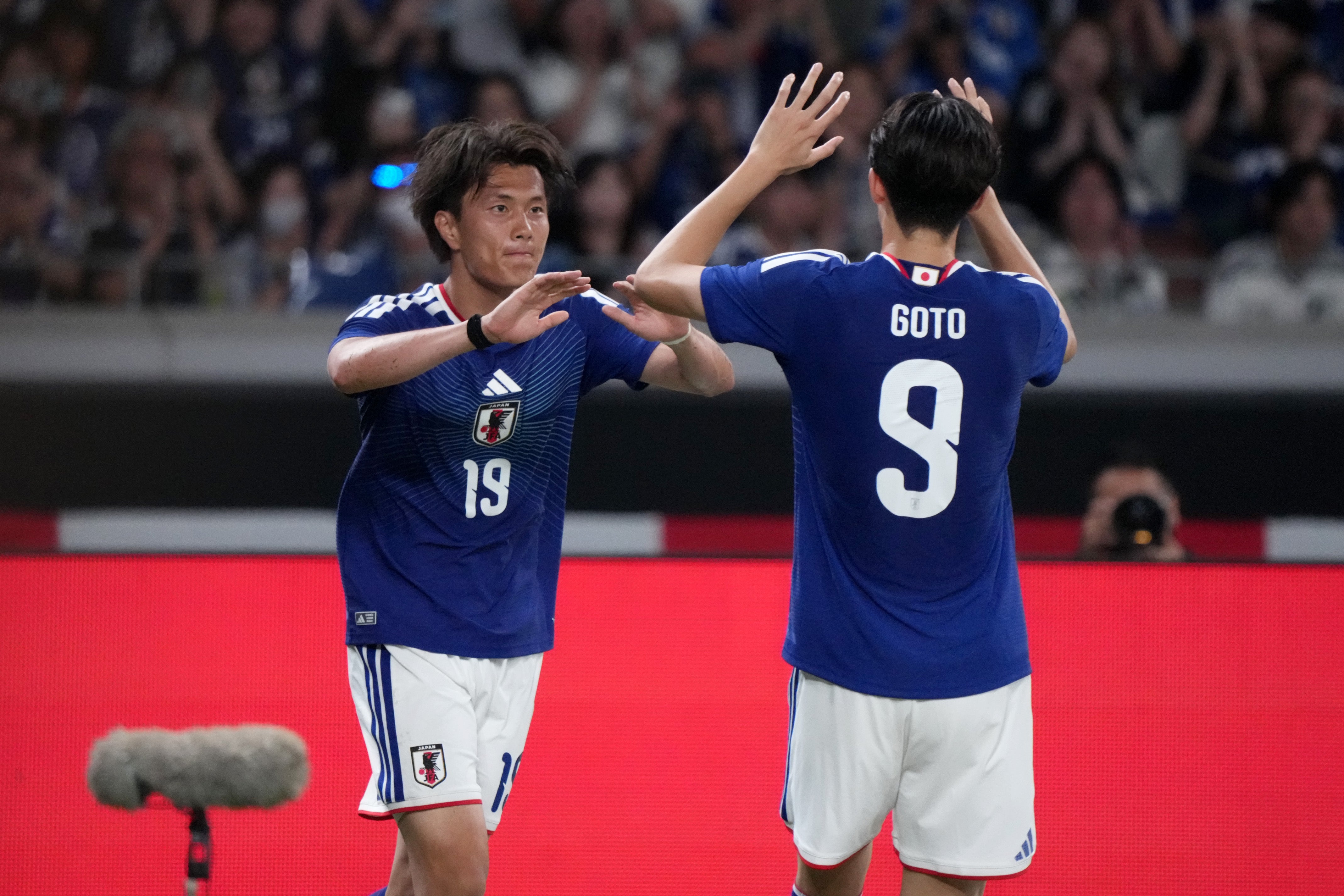
“I thought the players handled the new rule adjustments today with almost no issues,” Moriyasu told reporters.
“When we scored, I think Iceland were temporarily down one player. Situations like that can happen during substitutions, or when a player is returning to the pitch after treatment.
Under the new rules, players won’t necessarily be able to get back on the pitch as quickly as before. That’s something we need to be mindful of. Whether it’s during substitutions or in other moments, we need to avoid creating openings that give the opponent a chance.”
Another new introduction is a three-minute hydration break in each half. Moriyasu, 57, emphasised the importance of using this time efficiently for tactical instructions.
“In those three minutes, we have to organise the key points we need to get across and communicate them clearly to the players,” he added.
“Of course, whatever can be delivered verbally, we’ll do verbally. For the second half, we used a whiteboard because there were a number of changes we wanted to discuss… I felt that how well we use those three minutes could have a major impact on the outcome of matches, so we want to prepare thoroughly.”