
Is SEO Still Worth It in 2026?
The digital world is changing faster than ever. With the AI powered tools, voice search, social media marketing, and paid ads dominating online conversations, many business owners are asking one big question: Is SEO still worth it in 2026?
The short answer is YES — but not in the old way.
Search behavior, algorithms, and user expectations have increased. What worked five years ago no longer delivers the same results. However, search engine optimization remains one of the most powerful long-term digital marketing strategies when done it to correctly.
In this article, we’ll explore why optimization still matters, how it has changed, and how it compares with other marketing channels in 2026.
Why Many People Think SEO Is Dying
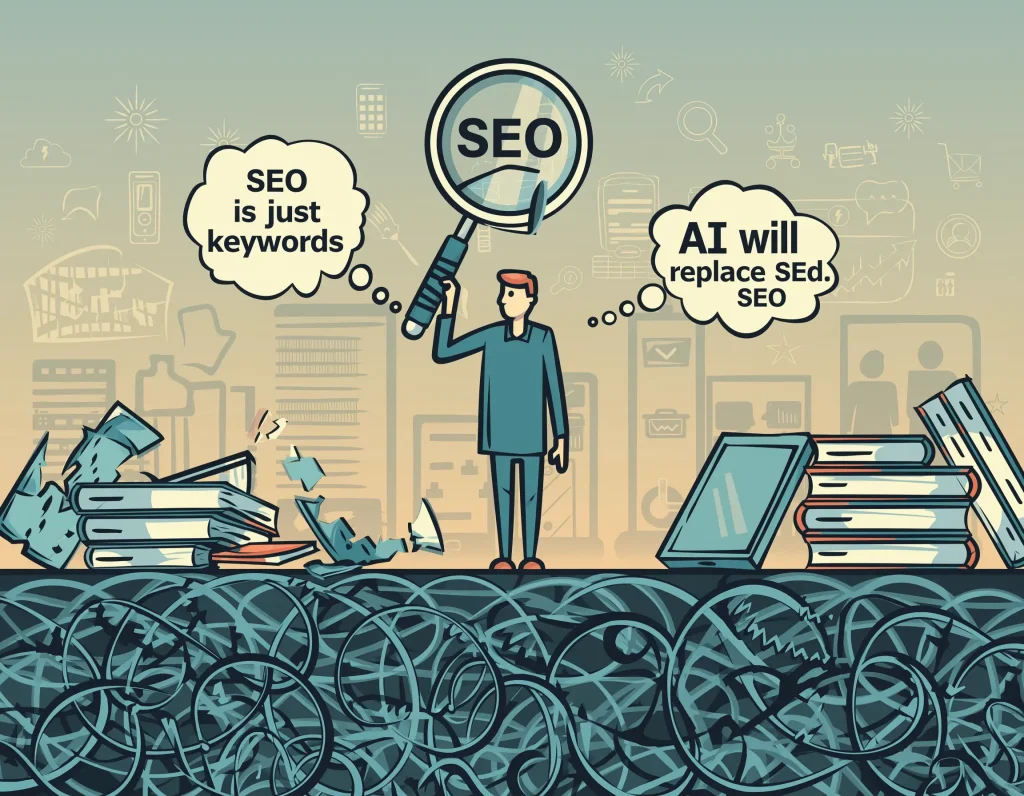
There are many reasons why some marketers believe that optimization is losing its value:
- Rise of AI generated answers on search engine
- Increased popularity of social media platforms
- High competition in search results
- Growing dependence on paid advertising
- Faster results from short-term marketing campaigns
While these points are valid, they don’t tell the full story. Instead of disappearing, organic search strategies are evolving.
How SEO Has Changed in 2026
Modern search engine practices are no longer about keyword stuffing or backlink spam. Today, search engines prioritize real value and user intent.
Key Changes You Must Know
- AI driven search algorithms focus on content quality
- User experience signals page speed, mobile usability
- Voice search and conversational queries
- Search intent over exact match keywords
- Experience, Expertise, Authority and Trust
Websites that adapt to these changes continue to gain sustainable traffic and brand visibility.
SEO vs Paid Advertising in 2026
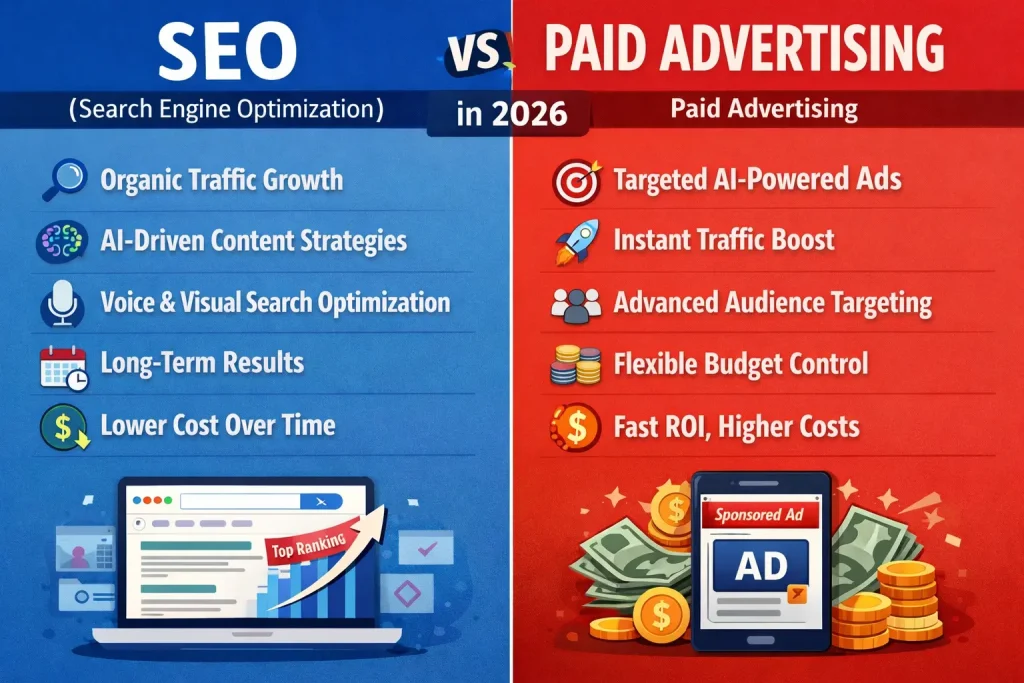
Let’s compare optimization with paid ads to understand why it still holds value.
SEO (Organic Growth)
- Long-term traffic source
- Builds brand trust and authority
- Lower cost over time
- Works 24/7 without daily spending
- Slower but sustainable results
Paid Advertising
- Instant visibility
- Stops when budget ends
- Higher cost per click
- Useful for short-term campaigns
- Less trust from users
👉 Conclusion: Paid ads bring fast results, but organic strategies deliver High Benefits.
Why SEO Is Still Worth It in 2026
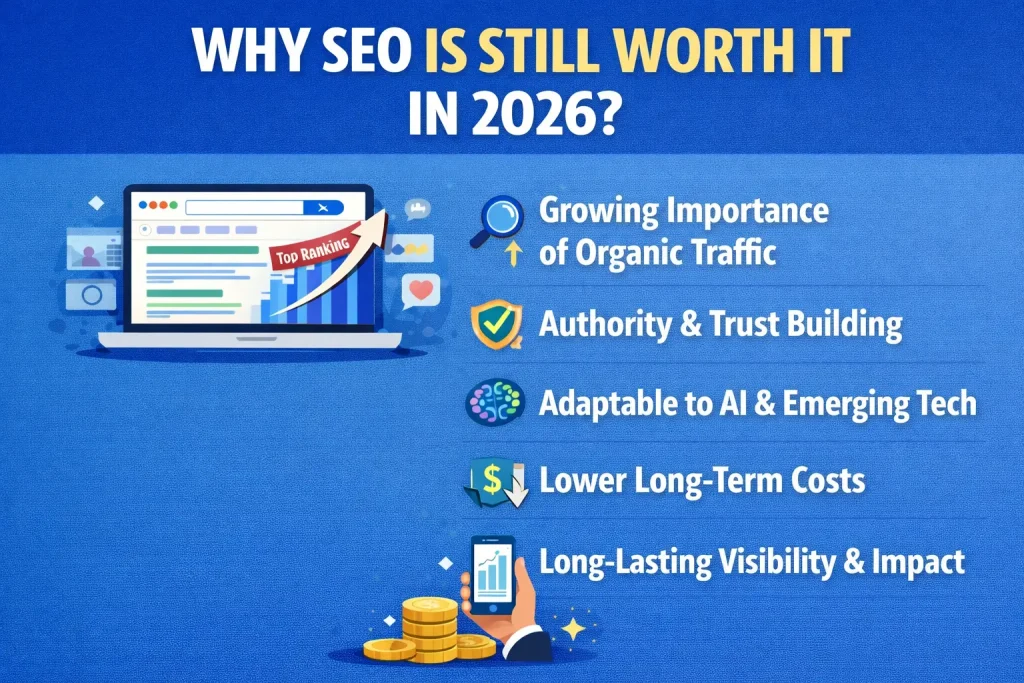
Here are the strongest reasons why businesses still invest in organic search optimization:
1. Search Engines Still Drive Massive Traffic
Despite new platforms, Google and other search engines remain the primary source of website traffic. People still search before buying products or services.
2. AI Needs Optimized Content
AI-powered search results still rely on well-structured, relevant, and authoritative content. Websites that follow best practices continue to appear in featured snippets and AI summaries.
3. Builds Long-Term Brand Authority
Ranking organically positions your brand as a trusted expert. Users trust organic results more than ads, especially for services and high-value products.
4. Better ROI Than Most Channels
While it takes time, optimization delivers consistent returns without continuous spending, unlike PPC campaigns.
5. Supports Other Digital Marketing Channels
Search-friendly content improves:
- Content marketing performance
- Social media visibility
- Email marketing engagement
- Conversion rate optimization
All channels work better when your website is optimized for search intent.
LSI Keywords That Matter in 2026
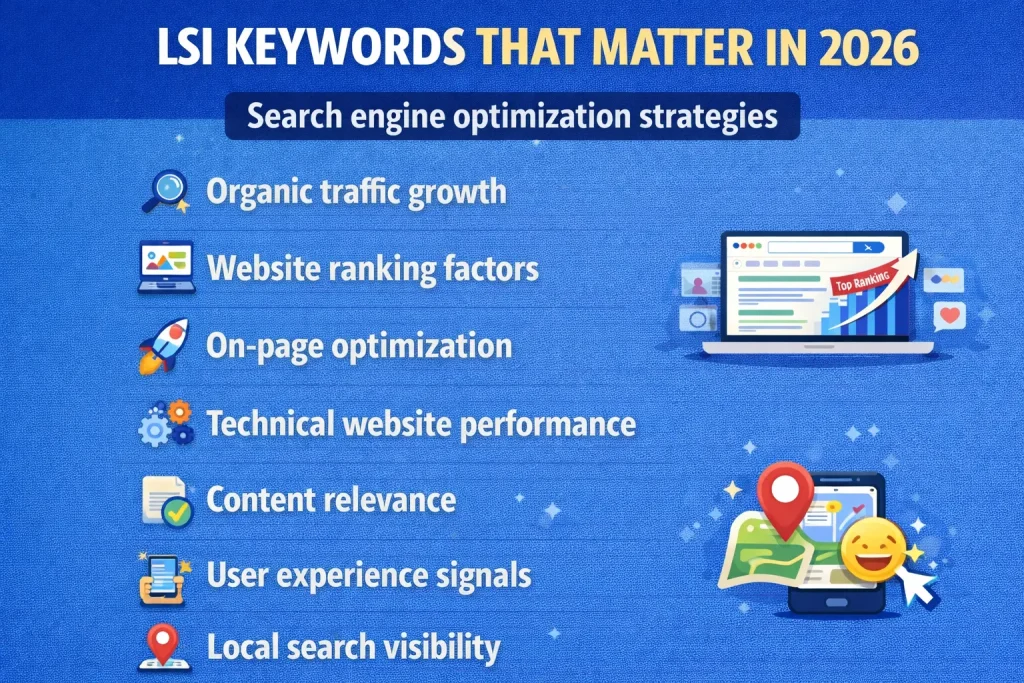
Instead of repeating one term, modern content uses related keywords, such as:
- Search engine optimization strategies
- Organic traffic growth
- Website ranking factors
- On-page optimization
- Technical website performance
- Content relevance
- User experience signals
- Local search visibility
These help search engines understand context naturally.
What Still Works in SEO And What Doesn’t Work in SEO
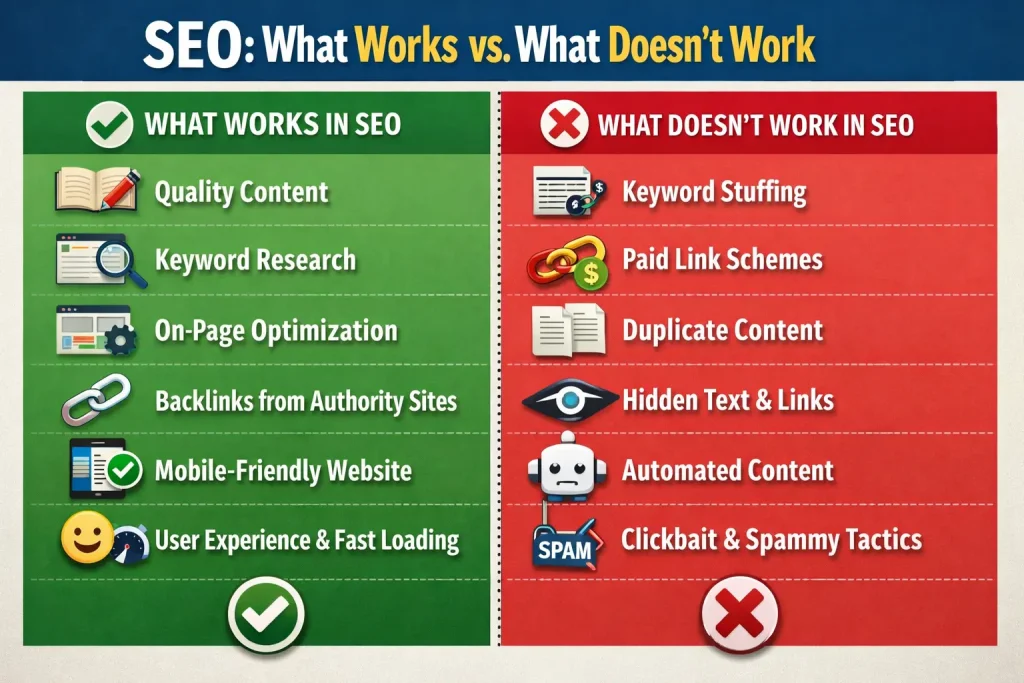
What Works in 2026
- High-quality, helpful content
- Fast-loading, mobile-friendly pages
- Clear site structure and internal linking
- Topical authority
- Genuine backlinks from trusted sites
What No Longer Works
- Keyword stuffing
- Low-quality AI content without value
- Spam backlinks
- Thin affiliate pages
- Clickbait headlines
SEO for Businesses vs Creators
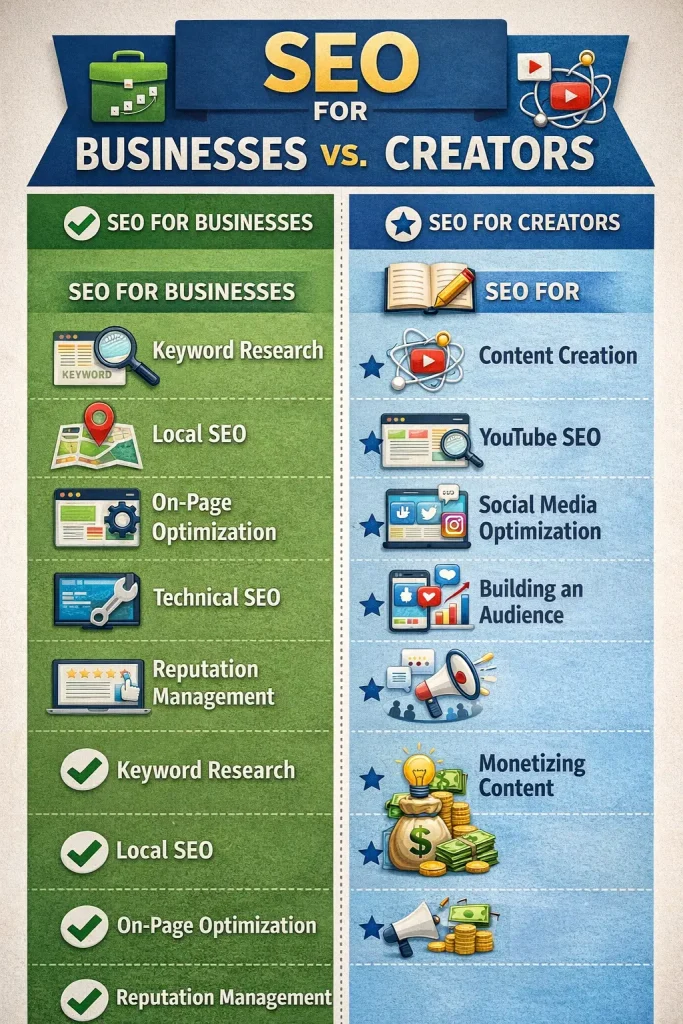
For Businesses
- Drives qualified leads
- Improves local visibility
- Reduces long-term ad spend
- Builds trust before conversion
For Content Creators
- Increases organic reach
- Monetization through traffic
- Authority building in niches
- Stable audience growth
Both benefit when optimization aligns with user intent.
Is SEO Harder in 2026?
Yes — but in a good way.
It’s harder because:
- Competition is higher
- Standards are stricter
- Quality expectations are rising
But it’s also more rewarding because shortcuts no longer work. Businesses that invest in real value see stronger, more stable growth.
Who Should Still Invest in SEO?
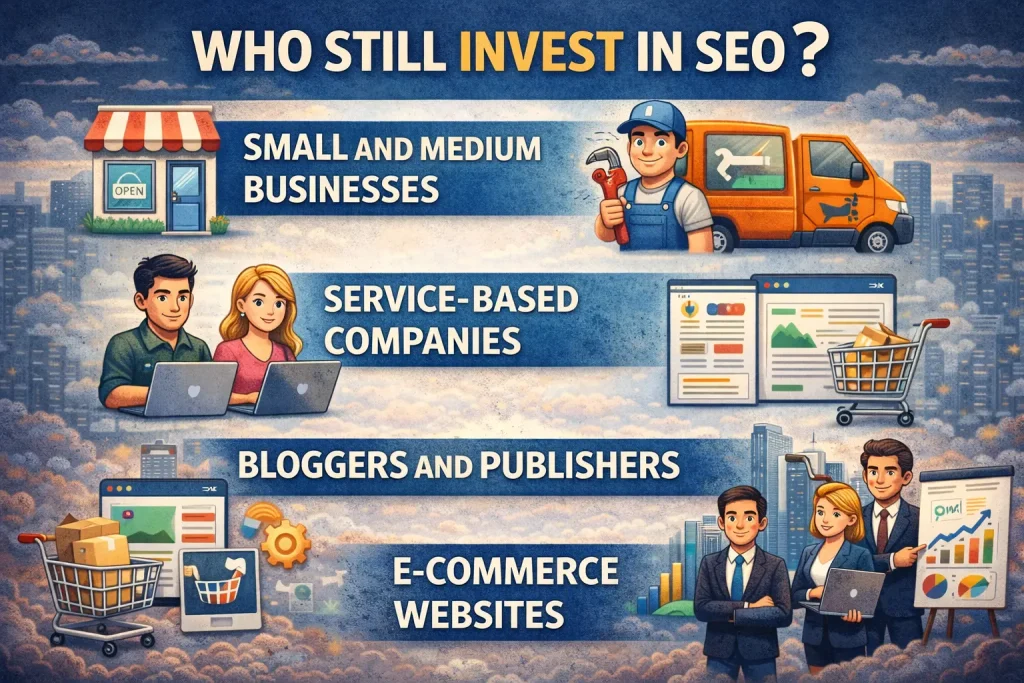
- Small and medium businesses
- Service-based companies
- Bloggers and publishers
- E-commerce websites
- Digital marketing agencies
If your audience uses search engines — optimization is still relevant.
Future of SEO Beyond 2026
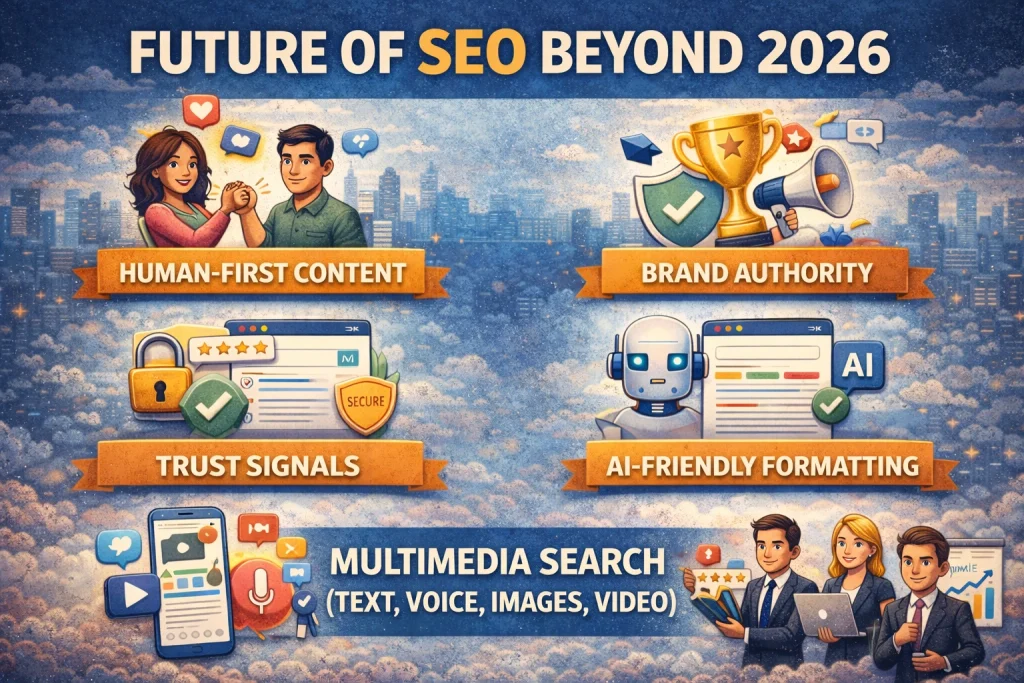
Looking ahead, optimization will focus more on:
- Human-first content
- Brand authority
- Trust signals
- AI-friendly formatting
- Multimedia search (text, voice, images, video)
The goal will not be to “rank pages” but to solve problems.
Final Verdict: Is SEO Still Worth It in 2026?
Absolutely — but only if done right.
Search engine optimization is no longer about tricks or shortcuts. It’s about understanding users, creating valuable content, and building a trustworthy online presence.
Businesses that adapt to modern practices will continue to enjoy long-term traffic, credibility, and growth, while those chasing quick wins may struggle to stay visible.
Most Important Points
👉 SEO is not dead.
👉 Old tactics are dead.
👉 Smart optimization is more powerful than ever.
✅ Conclusion
Quick Summary: SEO in 2026
✔ Still drives organic traffic
✔ Builds brand trust and authority
✔ Works alongside AI and voice search
✔ Delivers better long-term ROI than ads
✔ Requires quality-focused strategies
Best Authority Websites To Gain Traffic
Google Search Central – for official search guidelines.
HubSpot – for digital marketing and organic traffic insights.
Moz – for ranking factors and optimization trends.
Search Engine Journal – for algorithm updates and AI search news.
Read our guide on Content Marketing for Business Growth to understand long-term traffic benefits.