
Why Socceroos’ World Cup breakthrough has come at the right time for fractious Australia
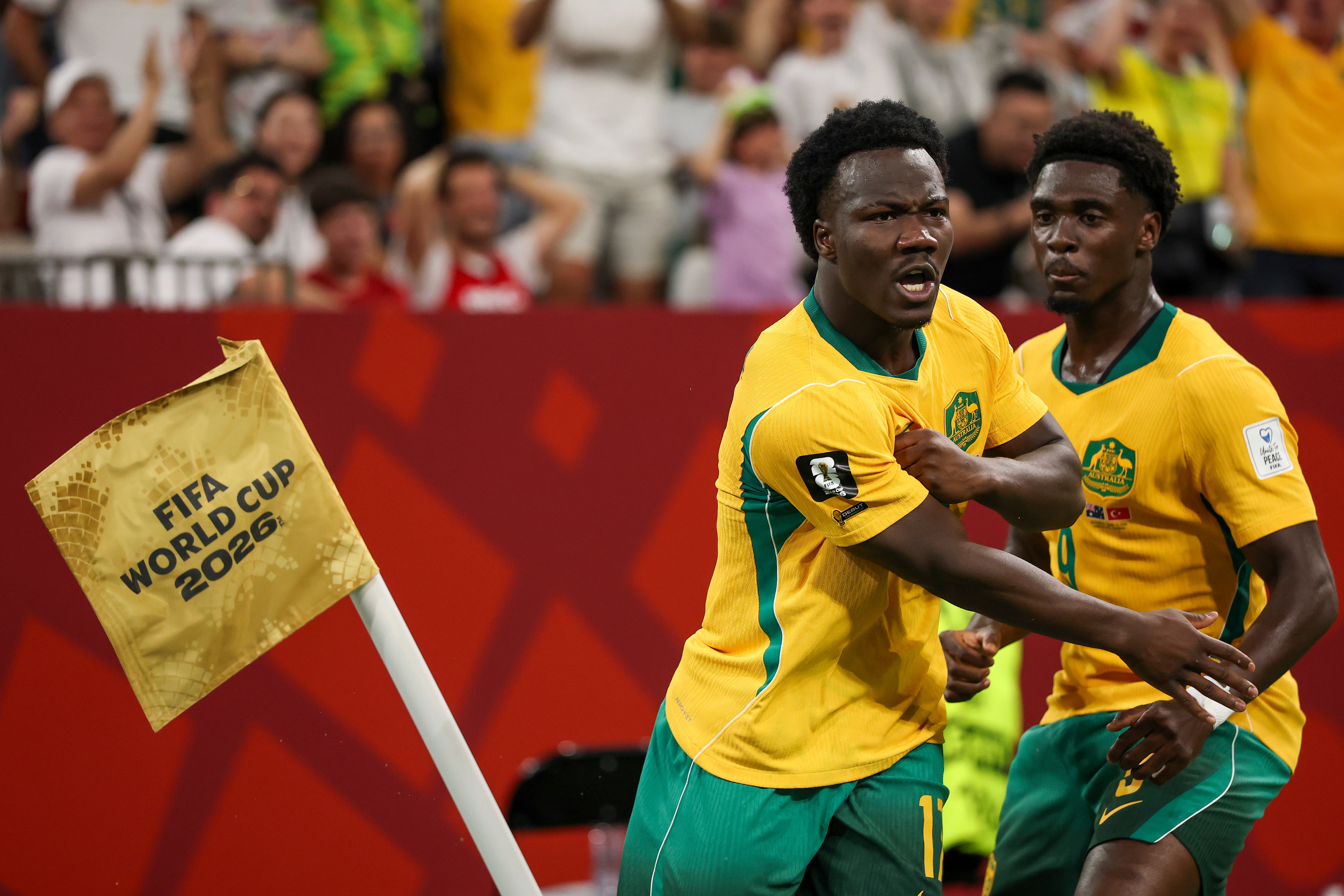
When Nestory Irankunda made a beeline for the corner flag after putting Australia in front against Turkey last Saturday, everyone knew who he was paying tribute to. Twenty years on, Australia are still trying to replicate the magic of Tim Cahill guiding them towards the last-16 in Germany.
The sight of Cahill bobbing and weaving around the flag after the Socceroos’ first World Cup goal against Japan in 2006 remains a defining image in their history, so Irankunda thought it right to pay tribute to his “biggest inspiration” after the moment of his nascent career to date.
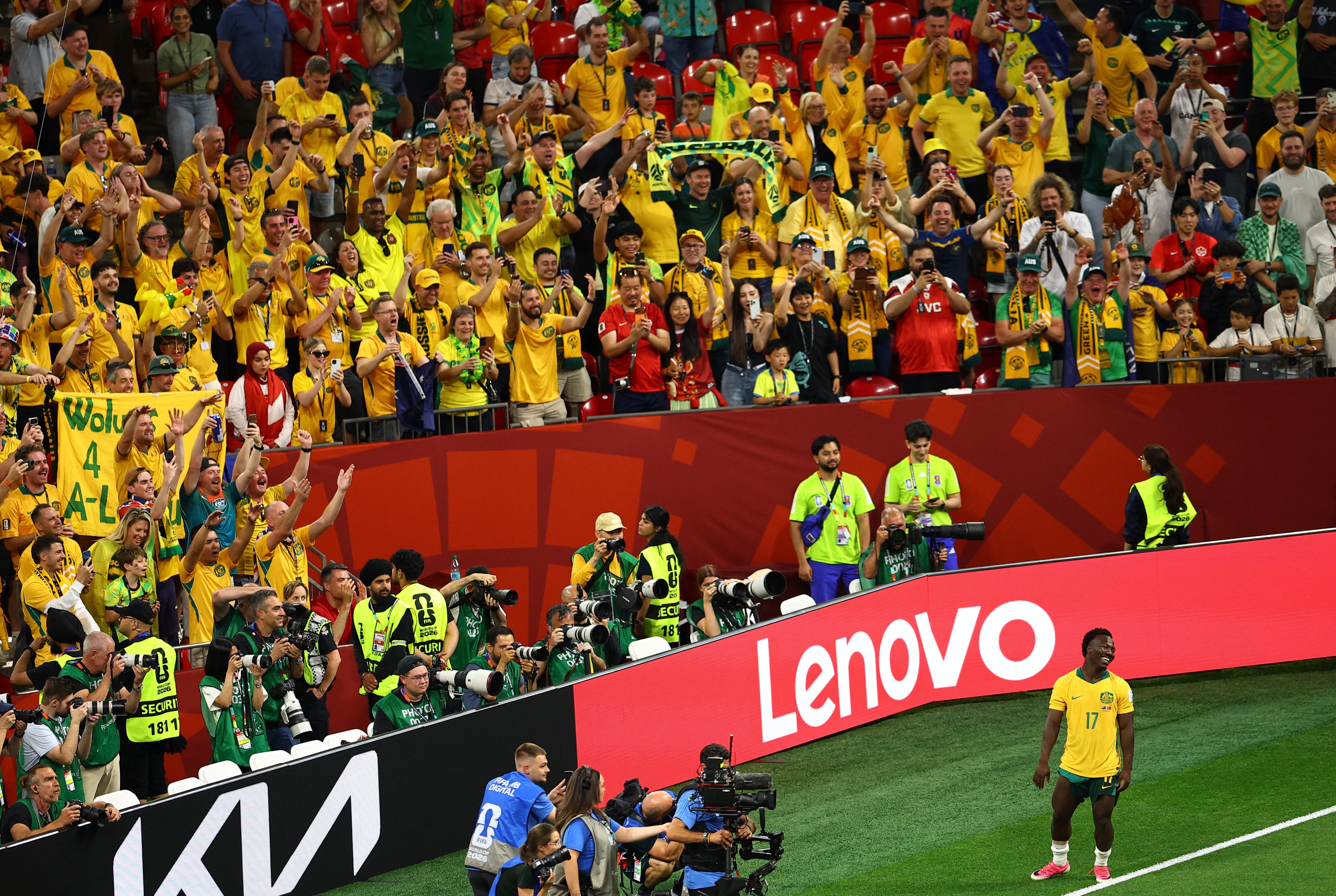
“I look up to him and I want to be like him one day,” the Watford winger said afterwards, instantly winning the hearts of many casual fans back home. But if they appear overly committed towards nods to the past, this was equally a breakout party for a team that are determined to far exceed low external expectations at World Cup 2026 – and simultaneously become central to a depressingly familiar political discourse.
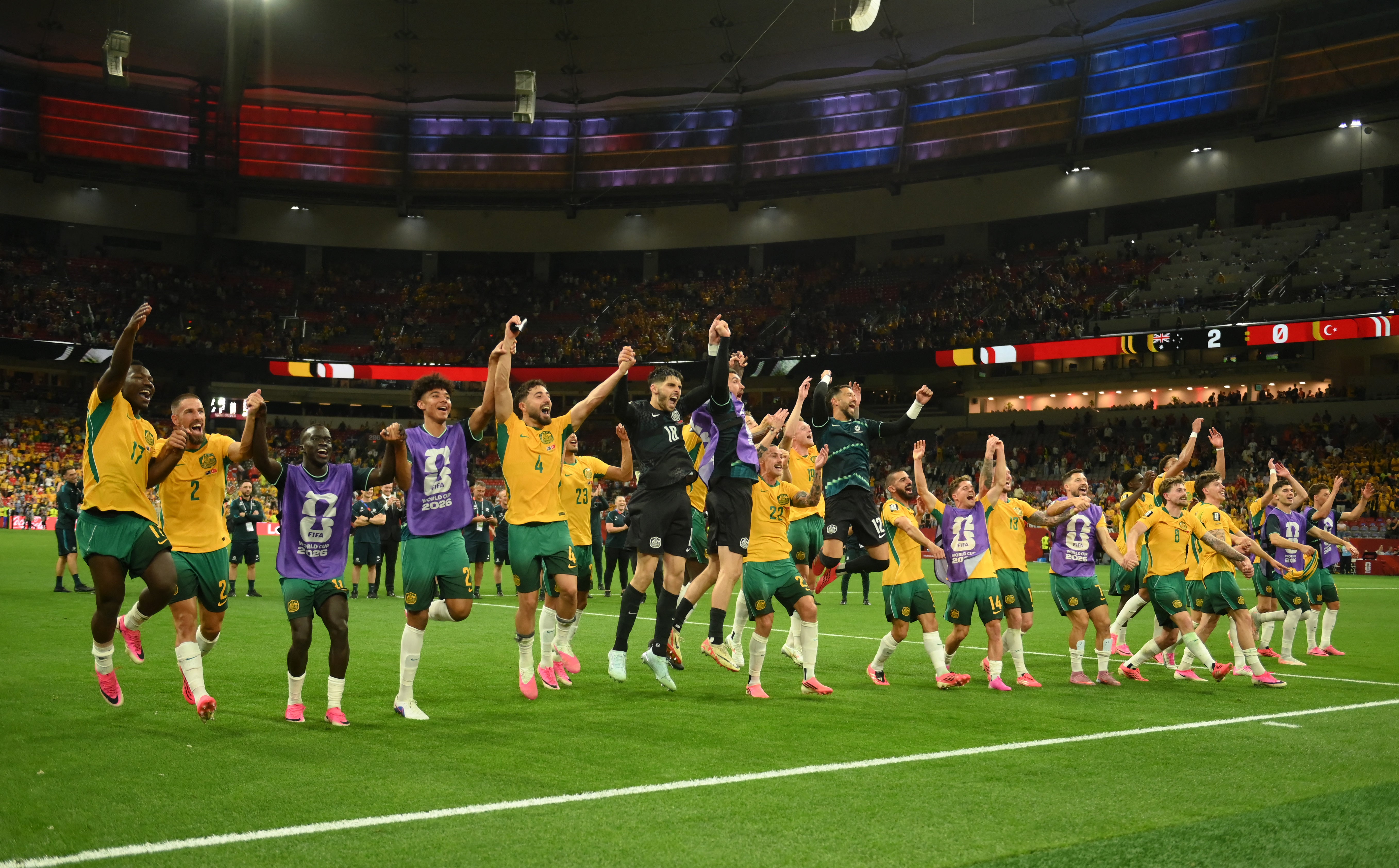
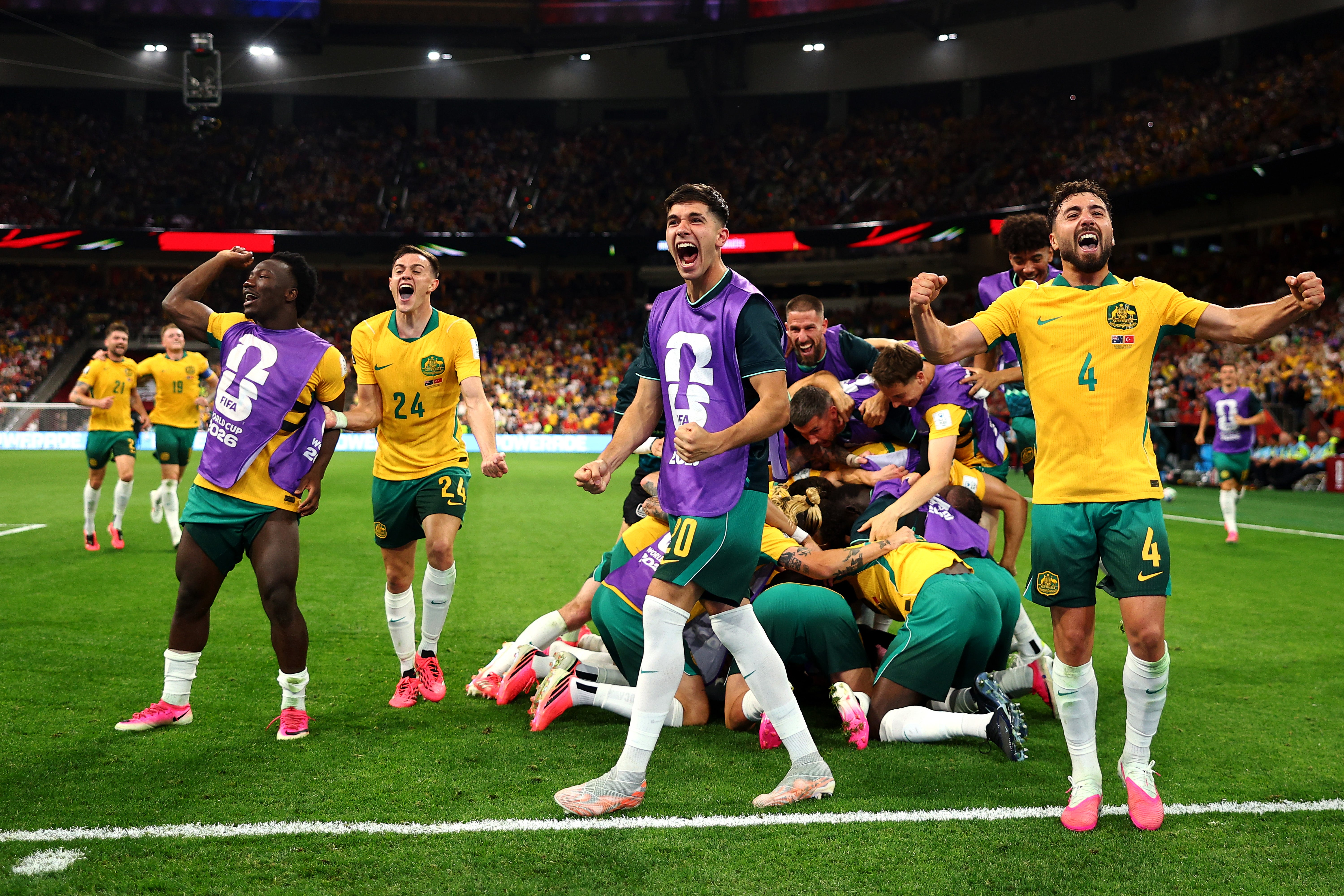
Thanks to one fine result Tony Popovic’s squad, unperturbed by being so unfancied to emerge from Group D, face a battle for top spot against the USA in Seattle at 8pm BST on Friday, a match predictably being framed as the Soccer Derby.
Yet parallel to an opportunity few will have envisaged one week ago, Irankunda and a handful of his team-mates – yes, the migrants – have been inserted into that invidious position of becoming figures in a societal battle.
A couple of hours after Irankunda’s fantastic counter-attacking goal, a poll was released down under that said the far-right One Nation party is winning the nationwide popularity contest for the first time. On Wednesday its leader Pauline Hanson delivered an aggravating 51-minute address to Australia’s National Press Club in which she took aim at targets familiar to anyone who keeps tabs on the US Republican Party, Reform UK and other contemporaries.
Stop us if you think you’ve heard these ones before but there were attacks on left-wing media outlets, Islam, transgender rights. More pertinent when it comes to the Socceroos were her comments on immigration. “We cannot be a multicultural society,” she said. “We are a multiracial society but we must be monocultural. Australians must live under the one cultural umbrella.”
Were that the case, Australia would not be looking well-placed to reach the knockout rounds for only the third time in history. Indeed they might not even be at the tournament.
Irankunda was born in a Tanzanian refugee camp after his parents fled civil war in Burundi. Defender Alessandro Circati moved to Perth from Italy as a toddler because his dad, a journeyman in Serie B and C, got a transfer. Norwich forward Mohamed Toure was born in a camp in Guinea where his family lived for 14 years after escaping war in Liberia.
The defender Milos Degenek fled from Croatia to Belgrade as a baby and ended up in Sydney, the city where Ajdin Hrustic was born to a Bosnian father and Romanian mother. Awer Mabil spent the first 10 years of his life as a refugee in Kenya because his family fled from war in South Sudan. Captain Harry Souttar is from Aberdeen, eligible through his mother. There are others but you get the idea: all are Australian, all are from different backgrounds.
Zoom out a bit, though, and at a World Cup where minnows such as Curacao and Cape Verde have assembled squads that are not far off entirely reliant on the diaspora, the composition of Australia’s squad is merely reflective of a global game.
A significant majority of England’s squad, as with the previous few tournaments, were eligible to represent other nations. England can look at France and Germany and pick out players who could easily be in Thomas Tuchel’s squad now. Nationality is an increasingly layered social construct. Football, as so often, just happens to offer a crystalisation.
Before the tournament the Australia squad filmed a video in which they spoke about their journeys to this point, taking turns to deliver a message that is stirring and easy to get behind.
“No matter where you come from, football is for everyone,” part of the script reads. “We are a reflection of modern Australia. Our diversity is our strength. The Socceroos right now are a representation of what Australia is. There are a lot of journeys behind the jersey. To be a Socceroo has many meanings but with one purpose: to do the country proud.”
It had not been picked up in huge numbers before the Turkey win but since then the views have rocketed. Speaking at a press conference earlier this week, Mabil underlined its meaning further. “The reason why it went viral is because it was raw. It was not edited. It was just purely what the players wanted to say and all put together,” he said. “It had an effect because individually Australians can feel and relate with it.”
It is just a shame that the myopia of Hanson and her ilk renders them incapable of realising the irony that the Australian team have already done more good for their nation than she is ever likely to achieve.
And while Irankunda may continue to speak glowingly of Cahill’s influence, the impact he has already had on other migrants this week still searching for a sense of belonging must not be underplayed.