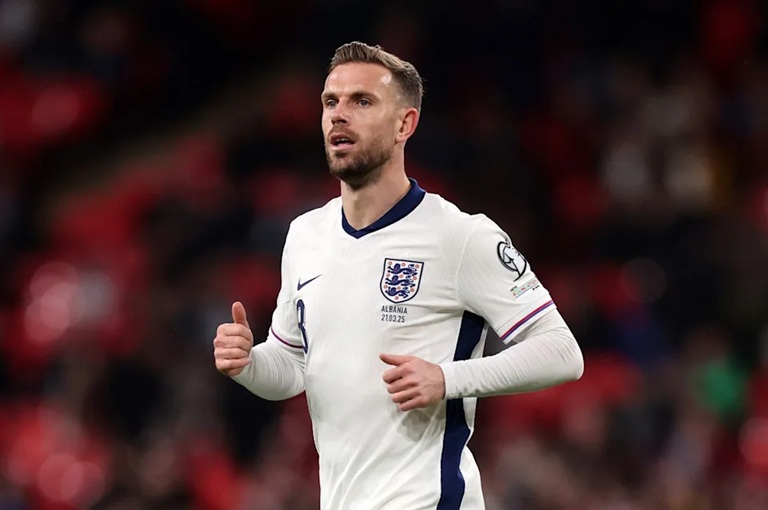
North American transit chiefs braced for ultimate World Cup challenge after backlash over spiraling costs

The 2026 World Cup is poised to be a monumental event for North American ground transportation, offering rail and bus operators a critical audition on soccer’s biggest stage.
With 104 matches spread across 16 cities in the United States, Mexico and Canada, and air travel increasingly fraught with rising costs, soaring gasoline prices, and frustratingly long airport security lines, these companies are gearing up to capture the attention of a vast new audience.
“We want you to be able to use our system seamlessly from the minute you decide to come to the World Cup, all the way into the games, and after that to get home,” stated Conan Cheung, chief operations officer for LA Metro, the public transportation authority serving the Los Angeles region.
For the Californian city, which will host eight matches including the U.S. opener, the event presents a unique opportunity to demonstrate to international visitors that it offers more than just congested freeways. It also aims to encourage more local Angelenos to utilize its expanding public transport network, Cheung added.
This ambition resonates with public transport advocates in the US and Canada, where shared transit infrastructure can be scarce and residents often prefer their cars.
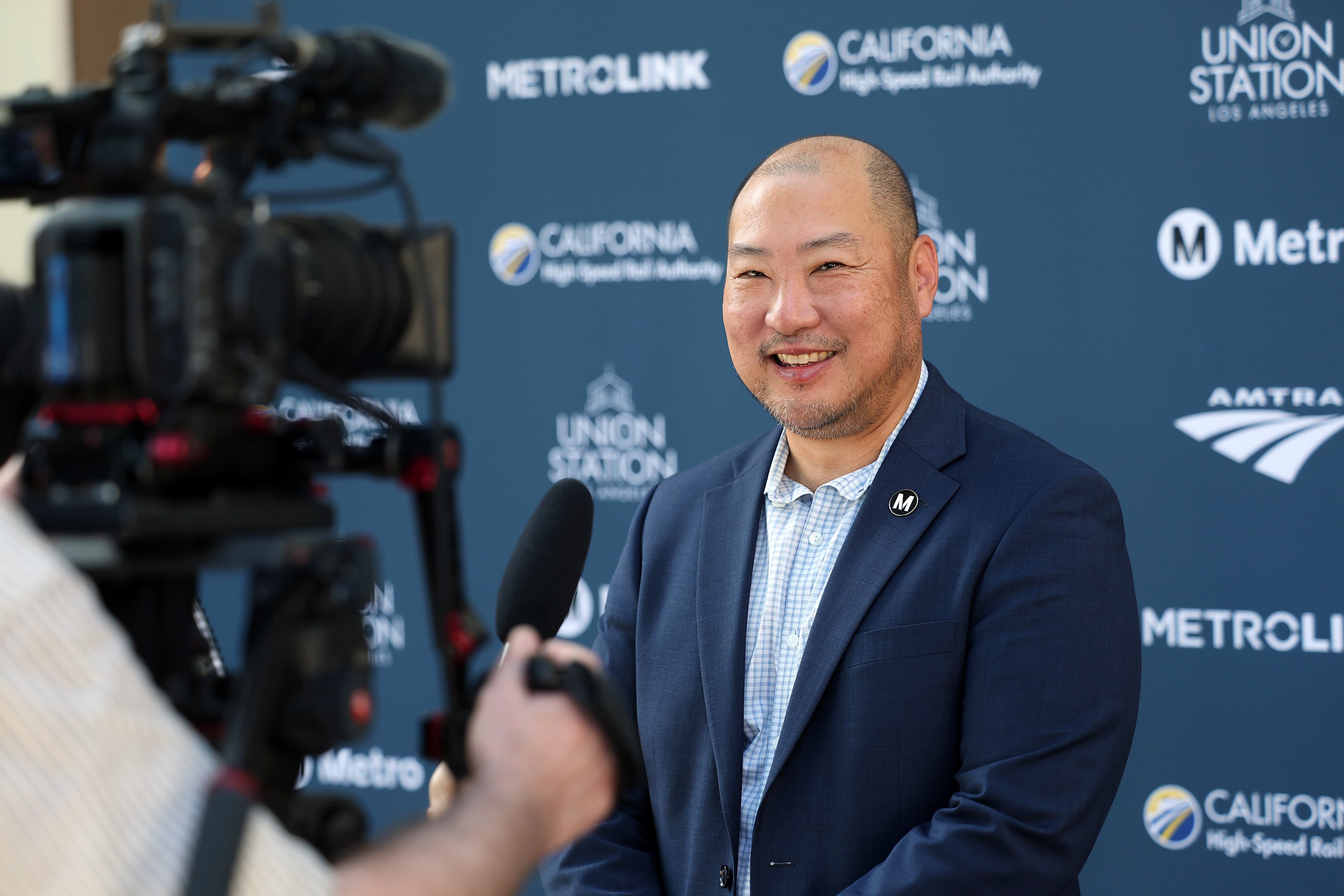
Yonah Freemark, a principal research associate at the Washington-based Urban Institute, highlighted this opportunity: “Transit providers have an opportunity to provide service to a group of people who do not typically use transit on a day-to-day basis. Many of the World Cup fans coming from the US or Canada do not necessarily use transit services regularly.”
Freemark emphasized the high stakes for operators to deliver a positive experience for riders.
“They should be making sure that the services they provide are high quality and not too expensive, because the people who are riding them are going to form an impression of those transit agencies — and there’s a chance to really prove that they can provide a good service.”
However, ground operators face a tricky balancing act. Many contend with limited capacity, meaning potential customers might struggle to find space on match days. While the surge in airline costs offers a rare chance to draw travelers to rails and roads, these companies are also battling rising fuel expenses, which may necessitate passing some costs onto consumers.
This creates a dilemma, as Freemark noted: operators want to attract new customers without alienating the everyday commuters and regular users who depend on these services long after the final whistle.
FlixBus, alongside its sister brand Greyhound, boasts one of North America’s largest transportation networks. The company reports strong demand for bus travel between tournament cities, with some departures already sold out and others filling rapidly.
In preparation for the World Cup, FlixBus has made significant investments in new buses and cutting-edge technology, while also prioritizing on-time departures and arrivals.
“What is critical here is every Flix experience needs to be a happy one. That’s how we actually grow our business. And this is a great opportunity,” said Flix North America CEO Kai Boysan. “We will welcome all the new customers and we want them to see what a change we’ve done and what a great experience they’re going to have.”
Boysan suggested that travelers might favor buses over planes due to their typically more affordable and direct routes between city centers. “Airports are congested and the costs are rising. And clearly travelers are naturally looking for alternatives. And there we come into effect,” he explained.
Yet, not all ground transportation options are proving affordable. NJ Transit drew unwanted attention this year when it initially announced that the approximately 30-minute train ride from Manhattan to the New Jersey stadium, which will host eight matches including the July 19 final, would cost $150 for the round-trip. It’s a journey that typically costs less than $13.
NJ Transit says it needs to cover $48 million in extra costs for security, crowd control and other World Cup impacts.
After much outrage, NJ Transit reduced the fare to a still hefty $98, saying it had managed to find more advertising to cover its costs. Meanwhile, a shuttle bus on the same route has been chopped to $20 from the originally announced $80 as the host committee turned to local school buses to increase seats.
In Boston, round-trip rail tickets from the city center to the stadium used for seven World Cup matches will cost $80, compared to the usual $20 to $30. A bus ride will be $95.
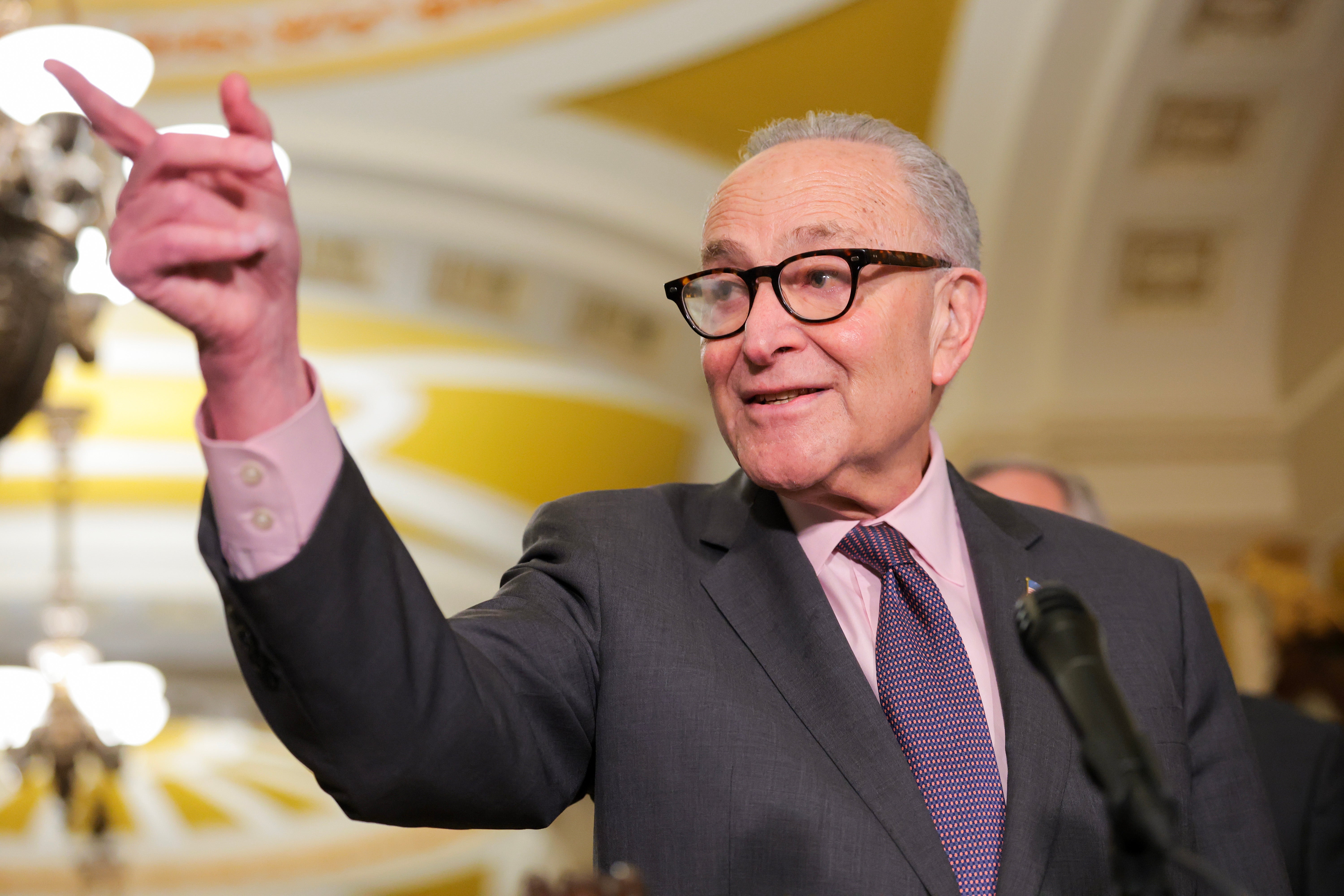
US Senator Chuck Schumer, a New York Democrat, urged Fifa to intervene.
“Charging more than 11 times the normal fare for a train ride is a ripoff, plain and simple. Fifa is making billions from this World Cup,” Schumer stated after the original price for the New Jersey MetLife Stadium route was announced.
“Fifa should cover the ride, not stick New York fans with the bill.”
Fifa, however, responded that high transit fares would prompt fans to seek alternative travel methods, and that similar past events have not led to demands for organizations to provide travel impact funding.
In contrast, some local operators are maintaining standard pricing.
“Our regular fare is $1.75, so people will be able to pay that,” said LA Metro’s Cheung, confirming they would honor all existing discounts.
Philadelphia, hosting six matches, offers fans a $2.90 train ride to the match, with a complimentary return journey courtesy of sponsor Airbnb. US national rail carrier Amtrak is also preparing for inter-city fan travel.
“We are fully committed to running a world-class railroad … and ensuring our infrastructure is ready to accommodate new and returning guests,” said W. Kyle Anderson, director of communications for Amtrak.